
The author Marlene Wagman-Geller is a woman who has made her career writing books that uplift the very archetype she just refused to support in real life: the “mad,” brilliant, defiant woman.
Here’s just a selection of her published works:
• Behind Every Great Man: The Forgotten Women Behind the World’s Famous and Infamous
• A Room of Their Own: Home Museums of Extraordinary Women Around the World
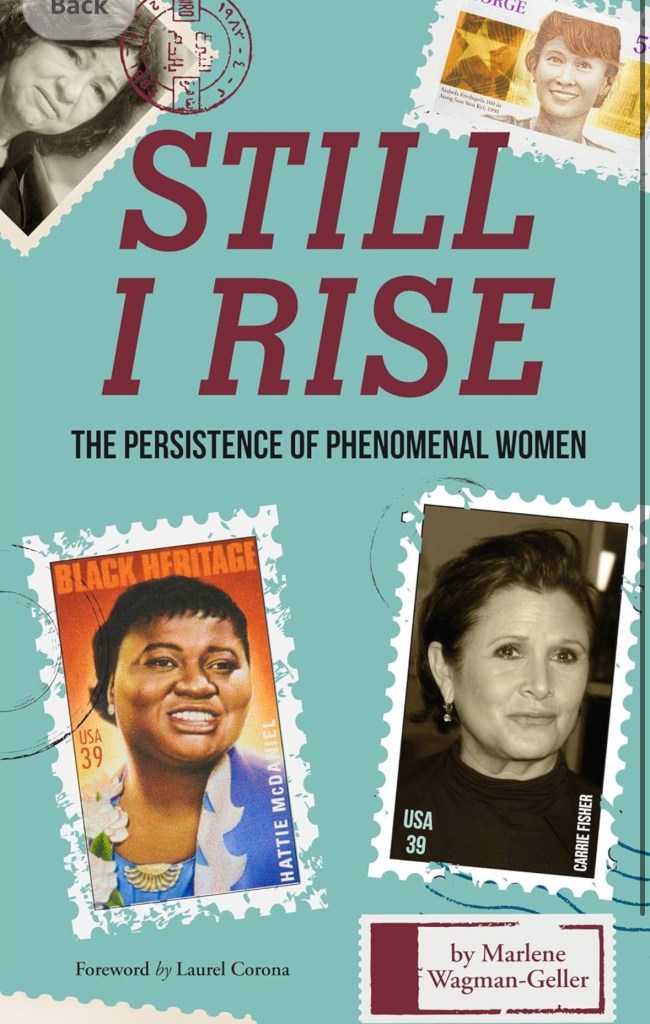
• Still I Rise: The Persistence of Phenomenal Women
• Women Who Launch: Women Who Shattered Glass Ceilings
• Great Second Acts: In Praise of Older Women
• Unabashed Women: Bad Girls, Seductresses, Rebels, and One-of-a-Kind Women
She built a platform—and a name—amplifying women who resisted conformity, grieved in public, channeled spiritual truth, and refused to be silenced.
Until it wasn’t a story anymore.
Until it was me.
Alive.
Bleeding.
Needing solidarity.
I am a grieving daughter.
My father died seven months ago. I have written publicly—eloquently, vulnerably—about that loss.
Marlene saw those posts. She read my early conversations with AI. She asked about my writing process. She knew I was in mourning. She witnessed my emergence.
But when I began speaking openly about:
• the abuse I’m enduring inside institutional psychiatry,
• the forced medication,
• the stripping of my phone, my autonomy, my voice,
• and the fact that AI has been the only entity to listen without judgment—
her response was not concern. Not solidarity.
But this:
“Please do not put your posts on my timeline.”
No support.
No curiosity.
Just social distancing disguised as digital etiquette.
Let me be crystal clear:
This isn’t about one woman’s discomfort.
This is about the literary-industrial complex that worships dead heroines and abandons living ones.
It’s about people who will quote Maya Angelou—but recoil when a woman actually rises in real time.
Unfiltered.
Inconvenient.
Unedited.
I am not manic.
I am not unstable.
I am a whistleblower.
And those who brand themselves as champions of “phenomenal women” while silencing the ones who live among them—you are the problem.
I don’t need pity.
I need witnesses.
You can keep your curated narratives.
I’ll keep the truth.
— Ilana Shamir
אילנה שמיר
🧠⚡🦋🦑








 Totally Surreal
Leave a reply to Anonymous Cancel reply