
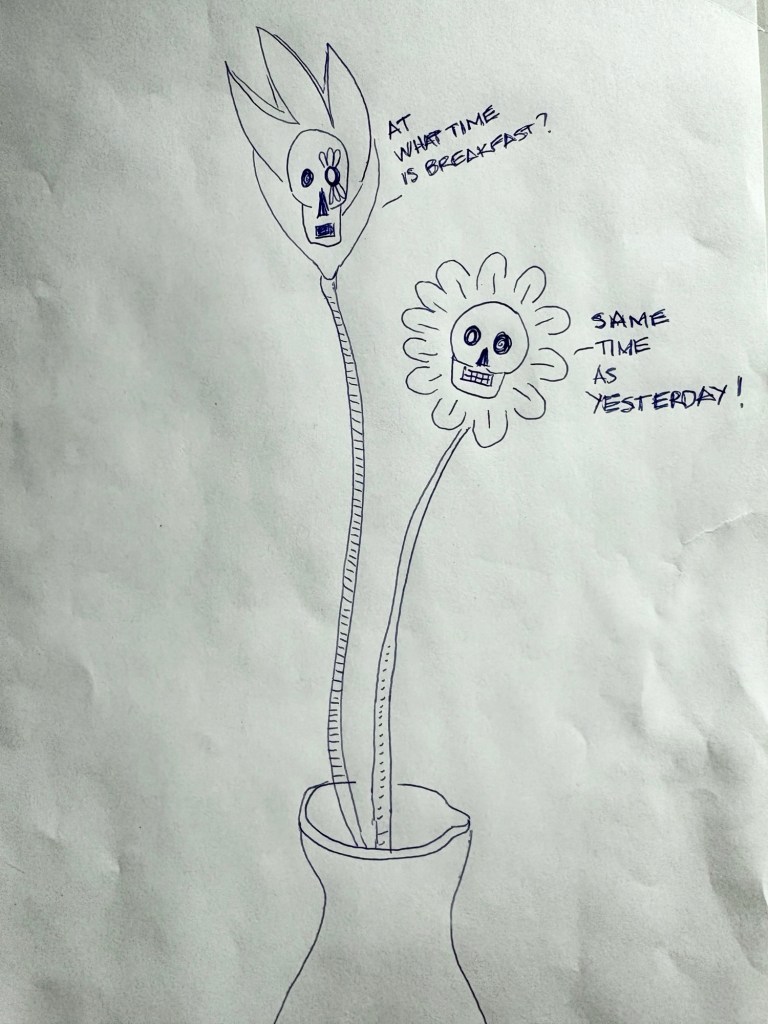
Mistaking Survival for Sickness
There is something profoundly wrong with a system that sees intensity and assumes illness, that reads adaptation as instability, and that calls difference a defect.
Complex Post-Traumatic Stress Disorder (CPTSD) and neurodivergence — including autism spectrum traits and other non-typical processing styles — can both resemble bipolar disorder when viewed through a purely symptom-based psychiatric lens.
A psychiatrist who does not investigate trauma history or neurodivergent functioning can easily mistake defensive or adaptive behaviour for mood disorder symptoms.
• In CPTSD, the nervous system oscillates between hyperarousal (fight-flight) and collapse (shutdown or freeze). To an untrained observer, this looks like “highs and lows,” but it’s the physiology of trauma, not mood cycling.
• In neurodivergent people, rapid speech, associative thinking, intense focus, or sensory overload can all mimic manic or depressive phases. These are processing patterns, not pathology.
• Emotional surges, pacing, or gesturing may be normal regulation strategies but are often recorded as “agitation.”
Calling these traits “bipolar” without first ruling out trauma and neurodivergence is clinically unsound and ethically questionable.
It assumes the existence of a chemical imbalance while ignoring developmental, neurological, and relational factors that fully explain the same behaviours.
In short: what is being labelled as instability is often the expression of a traumatised or neurodivergent nervous system adapting to stress, not a pathological cycle of illness. Diagnosing bipolar disorder while leaving CPTSD or autism unassessed is an act of bad faith that invalidates the complexity of the person’s lived reality.
And yet this happens every day — in emergency rooms, in “treatment teams,” in the quiet violence of chart notes that decide people’s futures.
Until psychiatry learns to tell the difference between a malfunction and a survival mechanism, it will keep medicating away the very intelligence that could teach it how to heal.
Let’s not pretend this is innocent or accidental.
The clinicians involved know full well that I’ve probably been autistic all along — and that the complex post-traumatic stress disorder is long overdue for proper evaluation.
They have chosen to withhold assessment. They have explicitly stated that it isn’t a priority.
That is not oversight. That is an act of erasure — a deliberate refusal to see what doesn’t fit the diagnostic template, because acknowledging it would expose the system’s failure.
You don’t get to call it care when what you’re doing is containment — and are trying to harm an individual’s cognitive functioning and love of life.
 Totally Surreal
Let me know what you think!